
AI for developers, by developers.
Analog Data AI is built for software engineers. We do not teach AI to a general audience. We teach you to build, test and run AI systems the way you already ship software: with code, tests and honest limits.
- AI agents
- MCP
- RAG
- Evals
- Python backends
- Deployment
from pydantic import BaseModel, Fieldclass WeatherArgs(BaseModel): city: str = Field(min_length=2) units: Literal["c", "f"] = "c"async def get_weather(args: WeatherArgs) -> dict: # validate first, then call the real API return await fetch(args.city, timeout=5)Terminal
$ pytest -q
... [100%]
✓ 3 passed
$ docker build -t weather-agent .
✓ image ready, ships to production
Who it is for
Built for people who already write code
Most AI courses are made for everyone, so they stop where engineering starts. Ours start there.
This is for you if you are
- Software, backend and full-stack engineers moving into AI work
- Developers who already write code and want to build AI systems properly
- Tech leads and teams who need engineers to ship AI features safely
This is not for you if you want
- No-code or prompt-tricks courses for a general audience
- High-level overviews of what AI could do someday
- Certificates without a working project behind them
What we teach
The AI engineering stack, end to end
Everything is taught as normal software engineering: typed, tested, versioned and deployed.
- 01
AI agents and tool calling
Design agents that call real tools, handle failures and stay inside their limits.
- 02
MCP
Expose tools and data through the Model Context Protocol, the way other developers can reuse.
- 03
RAG and retrieval
Chunking, embeddings and vector search, with the trade-offs that matter in production.
- 04
Evals and testing
Test sets, guardrails and regression checks, so you know when a change made things worse.
- 05
Python backends
Serve models and agents as typed, tested APIs with FastAPI and Pydantic.
- 06
Deploy and operate
Docker, CI, monitoring and cost control. The part most AI tutorials skip.
How we teach
The developer way
The same standards you hold your own code to.
- 01
Code first, slides last
Every class is a build. You write, run and debug real code in your own environment.
- 02
Tested and version-pinned
If it does not run from a clean setup on pinned versions, it does not get published.
- 03
Production is the syllabus
Security, cost, latency and failure handling are part of the lesson, not a bonus chapter.
Process
How we create and test content
Step 1
Outline
Agree what you will build and what you need first.
Step 2
Write the code
Build it from a clean environment, start to finish.
Step 3
Test it
Run it again on pinned versions, not just once.
Step 4
Technical review
A second engineer checks the code and the claims.
Step 5
Publish and maintain
Date it, and keep it current.
NoteWe pin tool versions, state when code was last verified, and never change a published date just to look new. Found an error? Use the corrections route on the Contact page.
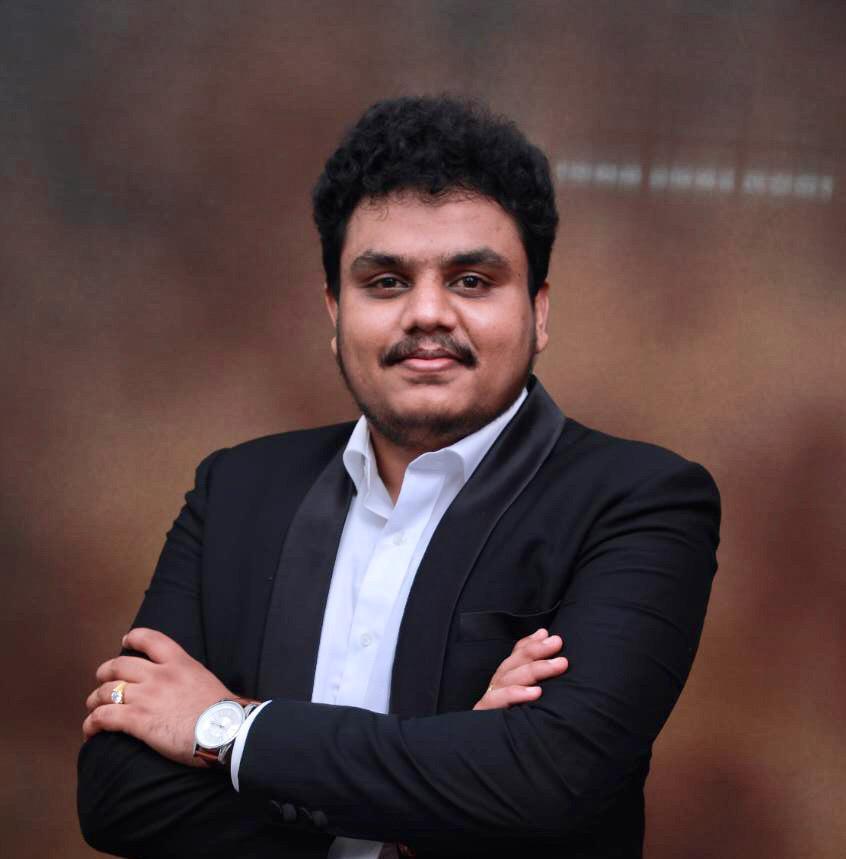
Rajath Kumar K S
Founder · Lead instructor
The brain behind Analog Data
An engineer who teaches what he ships.
Analog Data is founded and led by Rajath Kumar K S in Bengaluru. He builds and teaches practical AI and software engineering, and has trained engineering teams in industry and government, including at ISRO.
Every programme follows one rule: if you can explain it, build it, test it and ship it, you understand it.
- Live, instructor-led sessions
- Code you run yourself, every class
- Honest about limits and costs
- Reviewed before it is published
Work with us